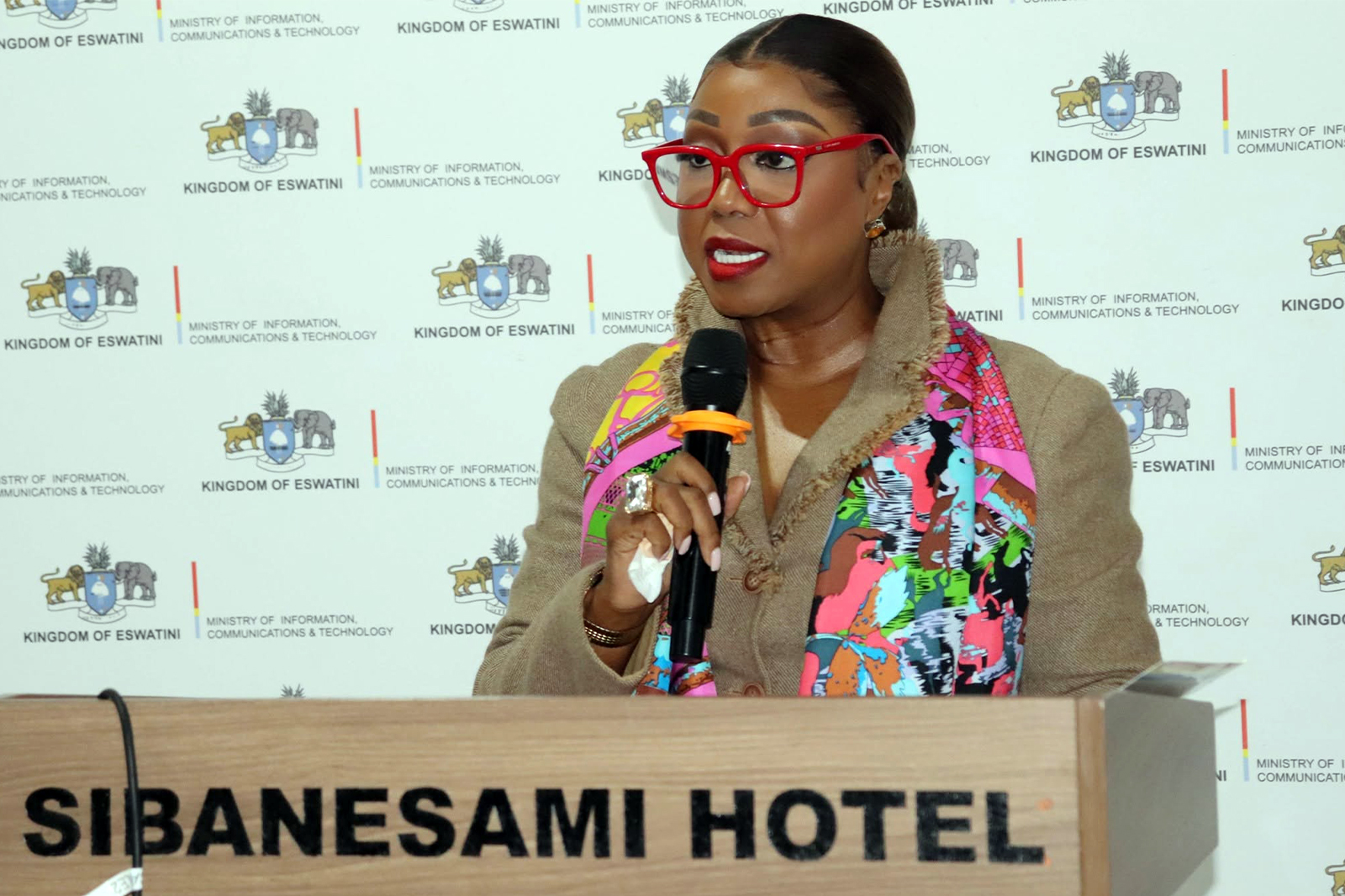
EZULWINI – The Minister of Information, Communications and Technology, Senator Savannah Maziya, has officially opened the two-day Southern African Development Community (SADC) Regional Indigenous Knowledge Systems (IKS) Policy Development and Capacity Building Workshop at Sibane Hotel in Ezulwini.
The regional workshop brings attention to the importance of preserving, protecting and harnessing indigenous knowledge as a valuable resource for innovation, sustainable development and socio-economic transformation across the SADC region.
Delivering her keynote address, Minister Maziya emphasized that indigenous knowledge should not be viewed merely as a relic of the past, but as an important asset capable of contributing to Eswatini’s future development.
She highlighted its potential to strengthen the country’s economy, health systems, climate resilience and national identity, while creating opportunities for communities whose knowledge and practices have been passed down through generations.
Indigenous Knowledge at Risk
The Minister shared findings from Eswatini’s national Indigenous Knowledge Systems mapping exercise, conducted across 42 chiefdoms.
The exercise revealed that nearly four in ten indigenous practices remain undocumented, raising concerns that valuable knowledge could be lost if deliberate measures are not taken to record and preserve it.
The findings further demonstrate the economic significance of the sector. Indigenous crafts, agriculture and medicine already contribute more than E50 million annually to the Eswatini economy.
Minister Maziya said this reinforces the need for mechanisms that not only preserve indigenous knowledge but also protect the rights and interests of the communities and individuals who hold it.
Developing a National IKS Policy
Through the proposed Indigenous Knowledge Systems Policy, Government seeks to establish stronger mechanisms for protecting indigenous knowledge, empowering knowledge keepers and creating opportunities for its sustainable development and commercialization.
The policy is expected to provide a framework through which indigenous knowledge can be preserved while enabling communities to benefit from its responsible use and economic potential.
It also forms part of broader efforts to ensure that traditional knowledge can complement modern approaches in areas such as agriculture, healthcare, environmental management, innovation and entrepreneurship.
Strengthening Regional Cooperation
The workshop provides an opportunity for stakeholders to exchange experiences, strengthen capacity and contribute towards policy development around Indigenous Knowledge Systems within the SADC region.
Eswatini has reaffirmed its commitment to working with regional partners to ensure that indigenous knowledge is recognised as an important development resource.
Through stronger policies, documentation and regional cooperation, the country aims to ensure that indigenous knowledge is preserved for future generations while contributing meaningfully to innovation, sustainable development and socio-economic transformation across the SADC Region.